





– 12.01.2025
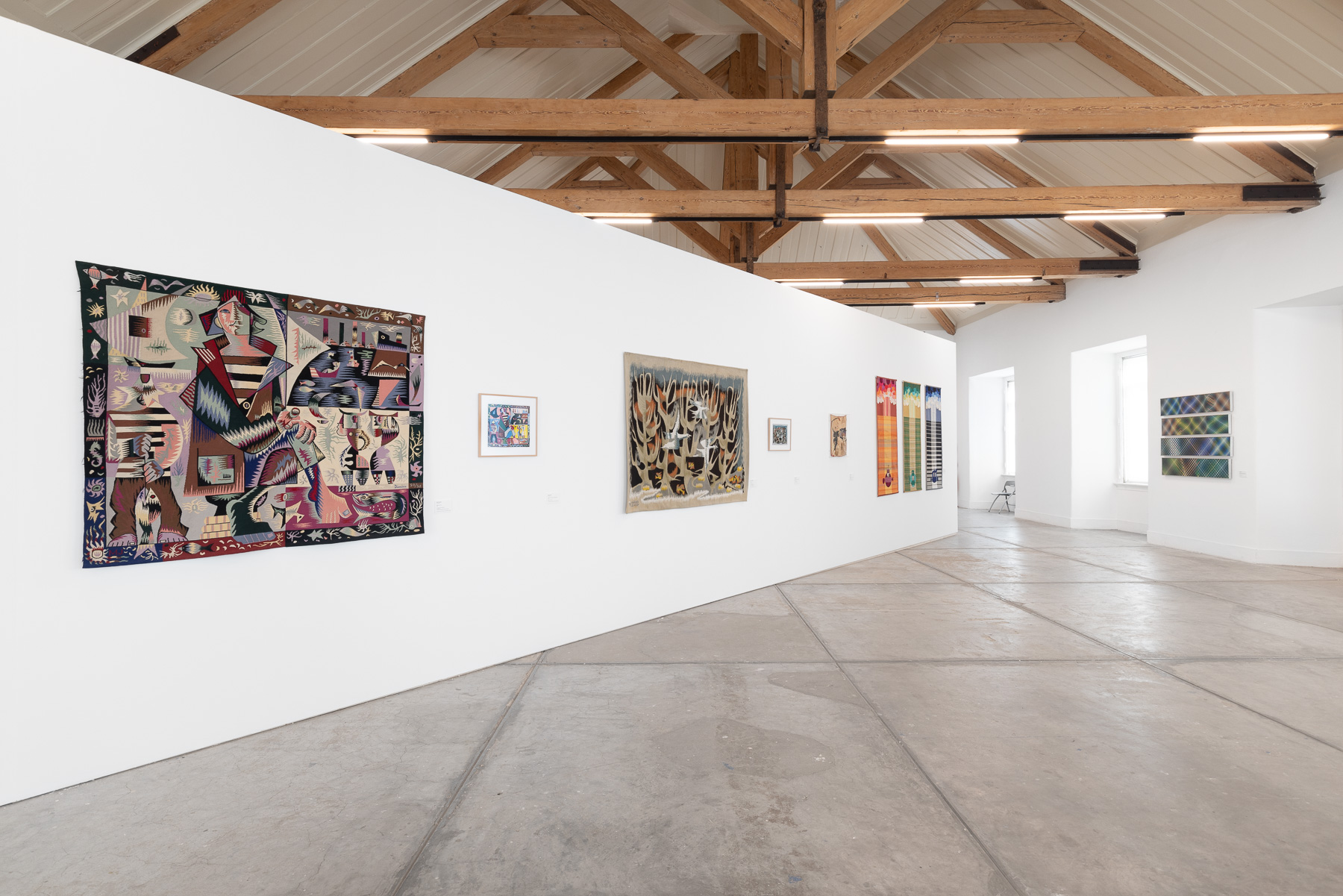
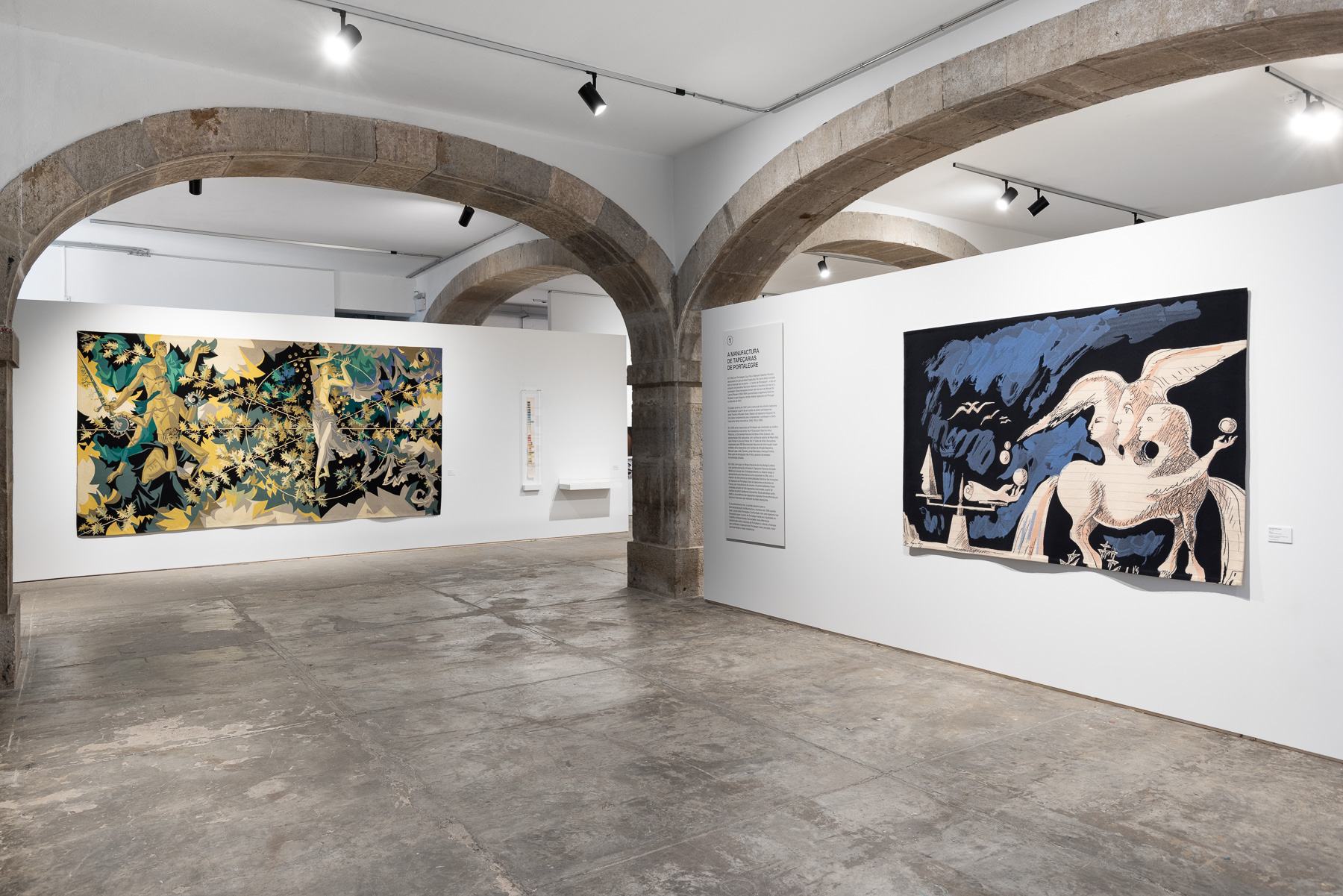
The Municipal Galleries present the exhibition Não vá o diabo tecê-las! A Tapeçaria em diálogo (Don’t let the devil weave them! Tapestry in dialogue) from the Millennium bcp collection, curated by Rita Maia Gomes at the Torreão Nascente da Cordoaria Nacional, in a collaboration between Lisboa Cultura and the Millennium bcp Foundation.
The Millennium bcp Foundation presents an unprecedented exhibition on tapestry, offering a seductive and surprising journey through the universe of Portuguese tapestry. There are 86 works, 27 artists, and more than 50 documents in an unprecedented exhibition approach that aims to highlight leading figures, institutions, and events that constitute important milestones in the history of Portuguese tapestry since 1946.
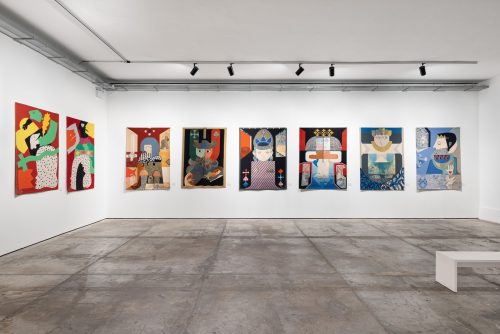
The ground floor will showcase the Millennium bcp Collection, which has a remarkable set of tapestries produced by the Manufactura de Tapeçarias de Portalegre. Visitors will be able to appreciate the quality of the craftsmanship, contemplating tapestries produced from originals by artists such as António da Costa Pinheiro, Artur do Cruzeiro Seixas, Graça Morais, Lourdes Castro, Luís Pinto-Coelho, Manuel Cargaleiro, Maria Helena Vieira da Silva, José de Almada Negreiros, José de Guimarães, Júlio Resende, and Júlio Pomar. The exhibition will be an excellent opportunity to see the highlight of the Millennium bcp tapestry collection – a work by Guilherme Camarinha, a unique piece from 1961, which has recently been cleaned and restored and can now be appreciated in all its splendour.
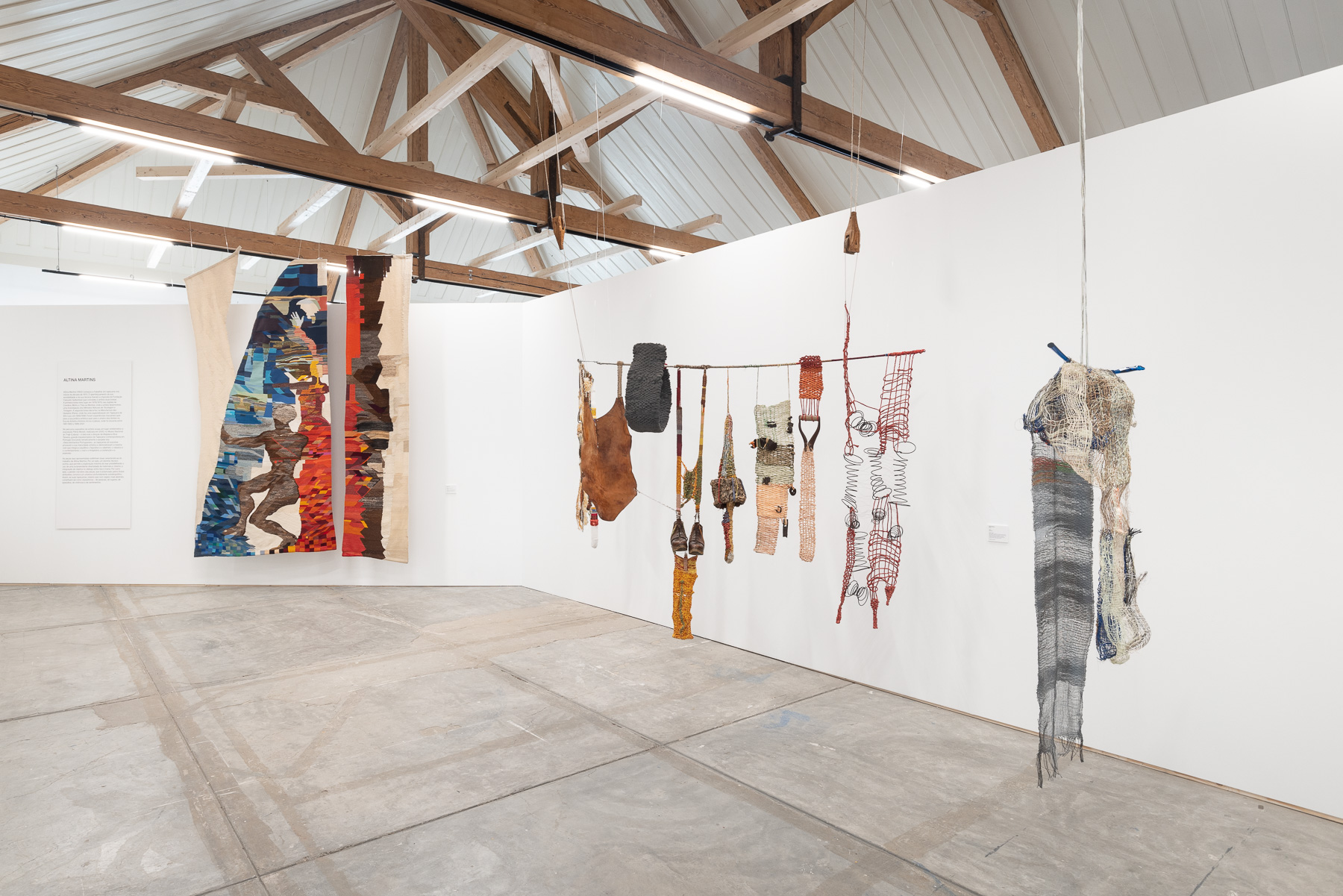
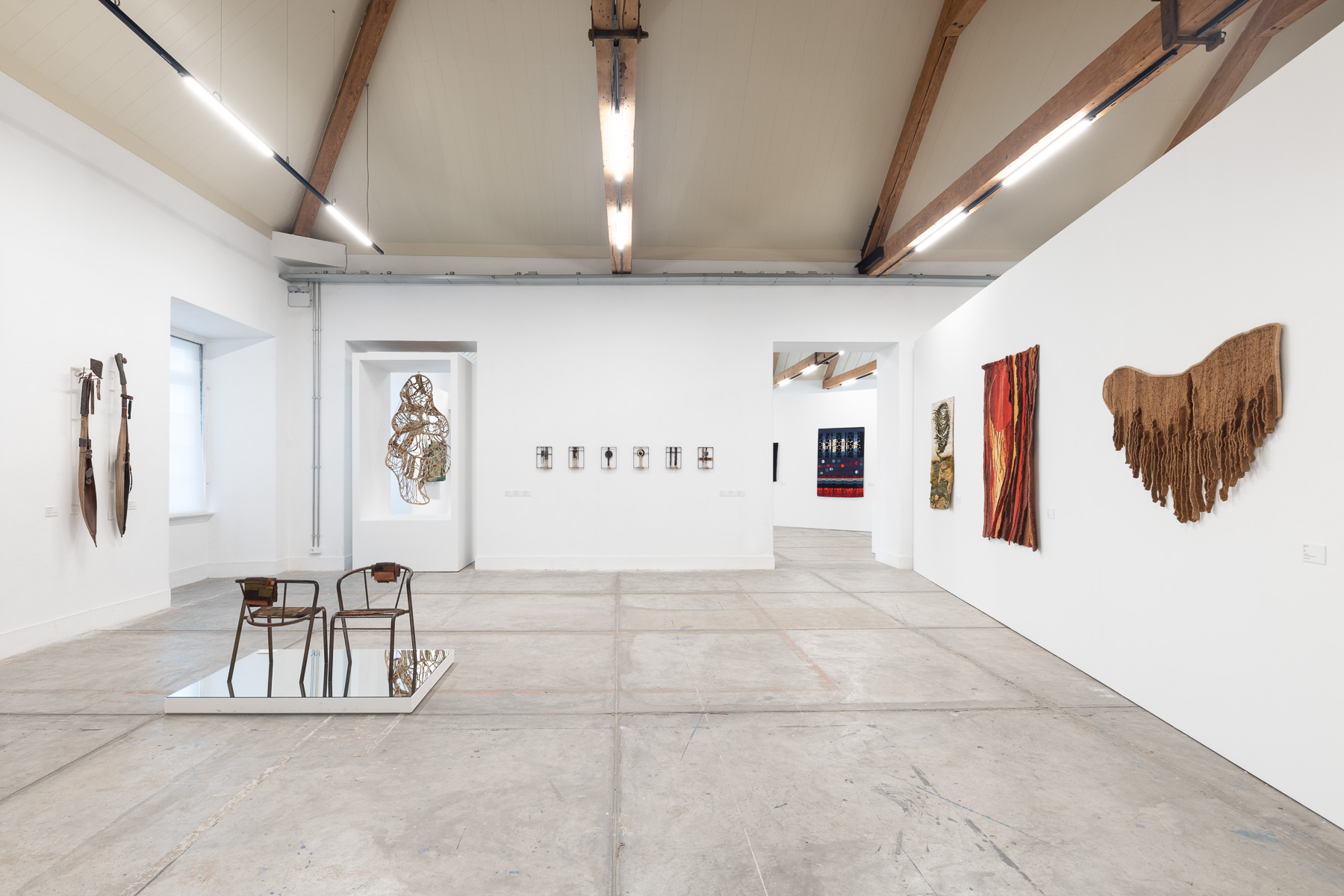
In parallel with the work developed and the notoriety achieved by the Portalegre Tapestry Manufactory over its 78 years of activity, tapestry has been asserting itself in another way, which will be revealed on the first floor through works from institutions, private collections and artists’ estates. The exhibition narrative illustrates and documents the research and experiences of artists who were interested in exploring the artistic potential of tapestry – which is no longer exclusively the transposition of a painting, but is moving towards an author’s tapestry in which the artist is both the designer and the executor. A tapestry that expands in terms of techniques, materials and possibilities of spatial presence, no longer limited to the wall and two-dimensional representation. From the late 1940s to the present day, this history will be anchored in works by: Altina Martins, Alves Dias, Amândio Silva, Charters de Almeida, Eduardo Nery, Flávia Monsaraz, Gisella Santi, Helena Lapas, Isabel Laginhas, João Abel Manta, Júlio Pomar, Margarida Reis, Maria Isabel Barreno, Mário Dionísio, Paula Rego and Teresa Segurado Pavão.
As part of the exhibition’s curatorial project, and in line with one of the structural pillars of the Millennium bcp Foundation’s activities, a collaborative educational project was proposed and developed with the António Arroio (Lisbon) and Soares dos Reis (Porto) art schools, which took place during the 2023/2024 school year with 12th grade students. Throughout the exhibition, the public will be able to see the work of students from the Audiovisual Communication Course – specialising in cinema/video and photography. This work was developed at the Portalegre Tapestry Manufactory, where students studied and captured the spaces, raw materials, people, and the long and complex process of tapestry production, revealing a less visible side of the mysterious and complex art of weaving.
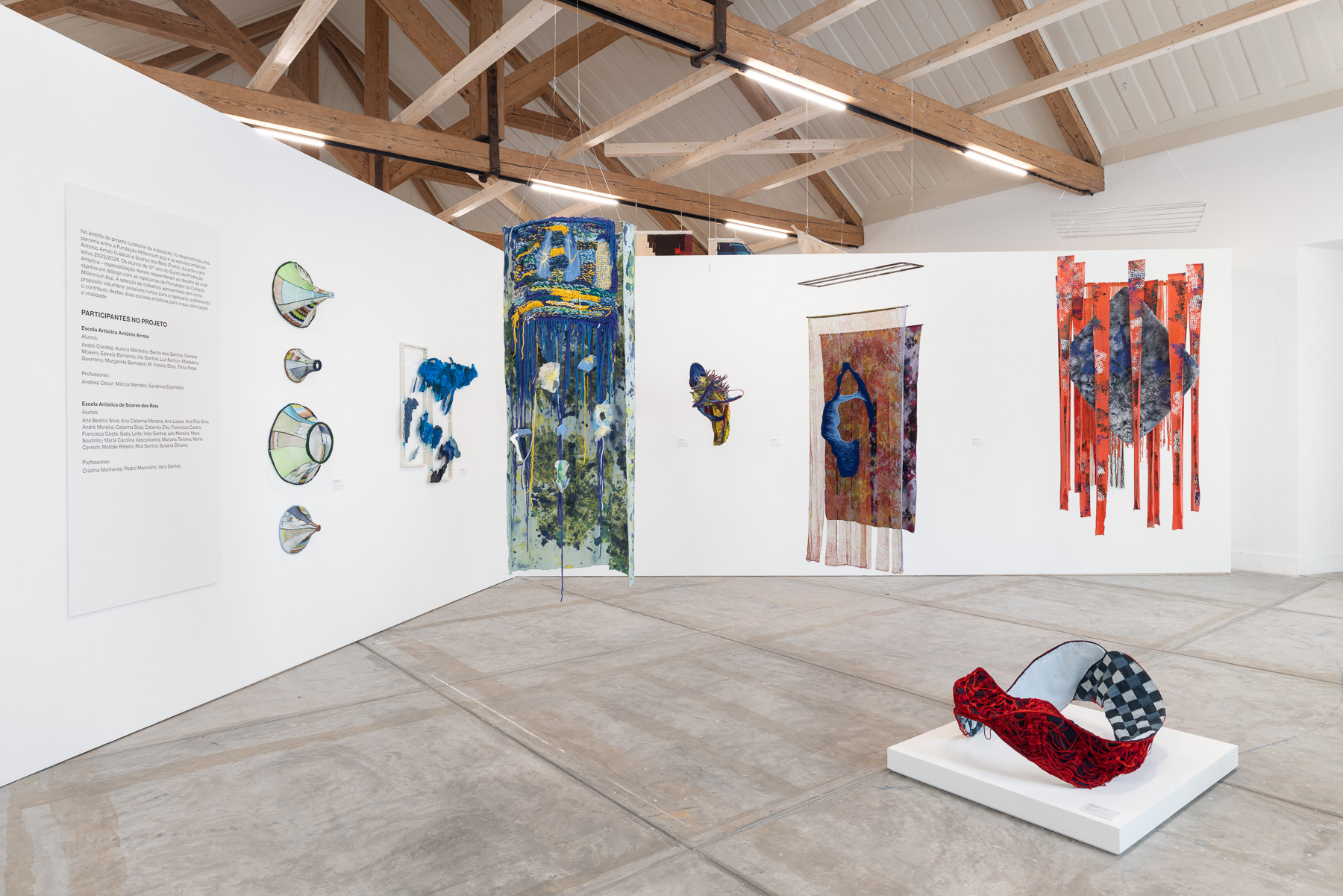
The exhibition ends with a display of works produced by students from the Artistic Production Course – specialising in textiles – who took up the challenge of creating objects in dialogue with the Portalegre tapestries from the Millennium bcp Collection. The selection presented aims to glimpse possible directions for textile art in Portugal, highlighting the contribution of these two art schools to the appreciation and vitality of tapestry.
– 12.01.2025